Ciao, I’m Tommy!
System Administrator with 25+ years of experience. Passionate about IT systems, infrastructure, and discovering new technologies. Welcome to my technical blog.
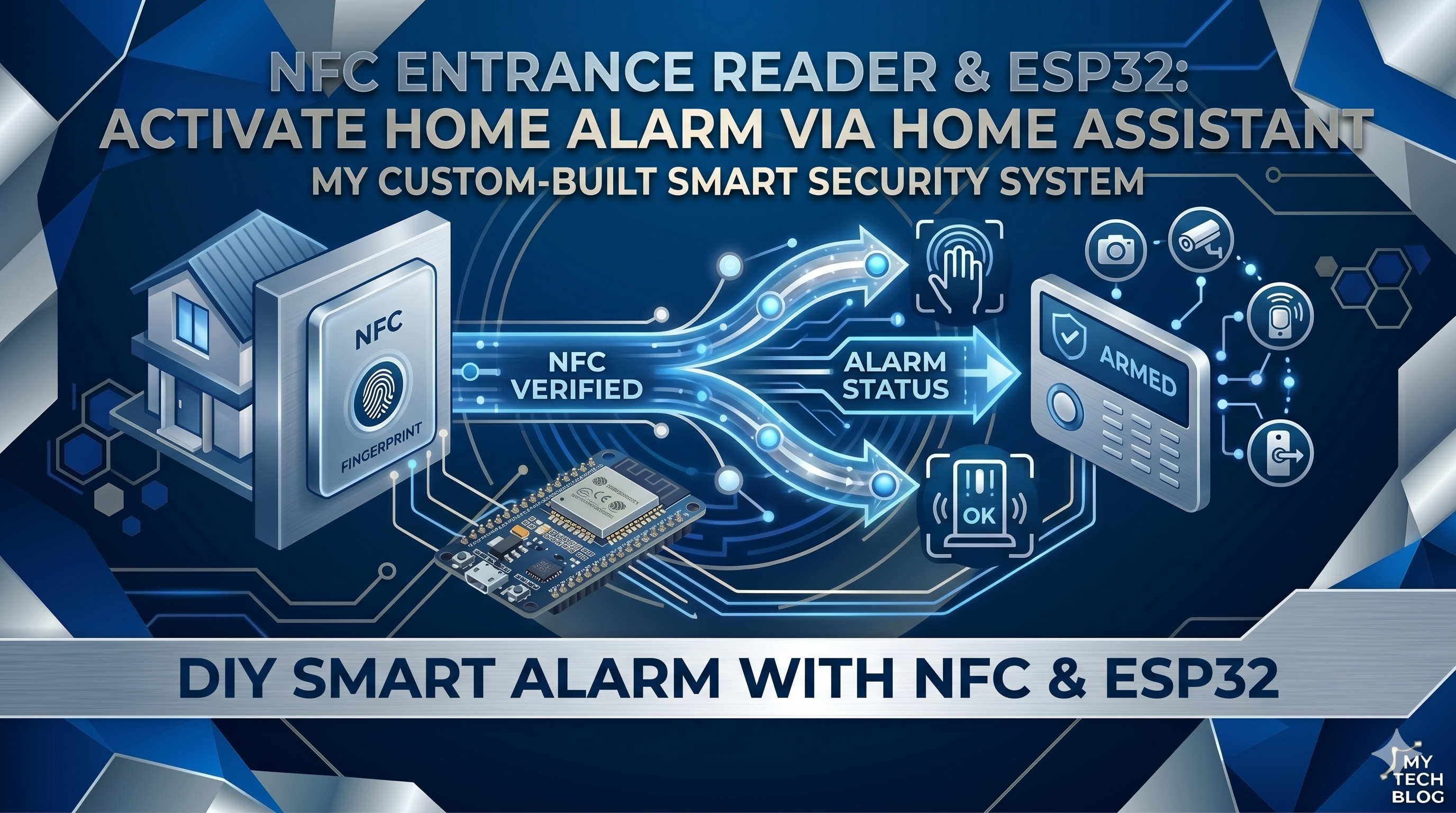
In this project, I built a custom NFC reader for my home entrance. By using a simple key fob, I can arm or disarm my alarm system (managed via Alarmo) as I enter or leave. The system is based on an ESP8266 microcontroller, integrated seamlessly into Home Assistant using ESPHome. Hardware Components Microcontroller: ESP8266 (D1 Mini) NFC Module: PN532 NFC Board (connected via I2C) Indicator: RGB LED (for real-time status feedback) Power: Standard 5V USB Power Supply 1. ESPHome Integration The D1 Mini is flashed with ESPHome. Instead of managing complex code, I used a custom configuration to bridge the hardware with Home Assistant. ...
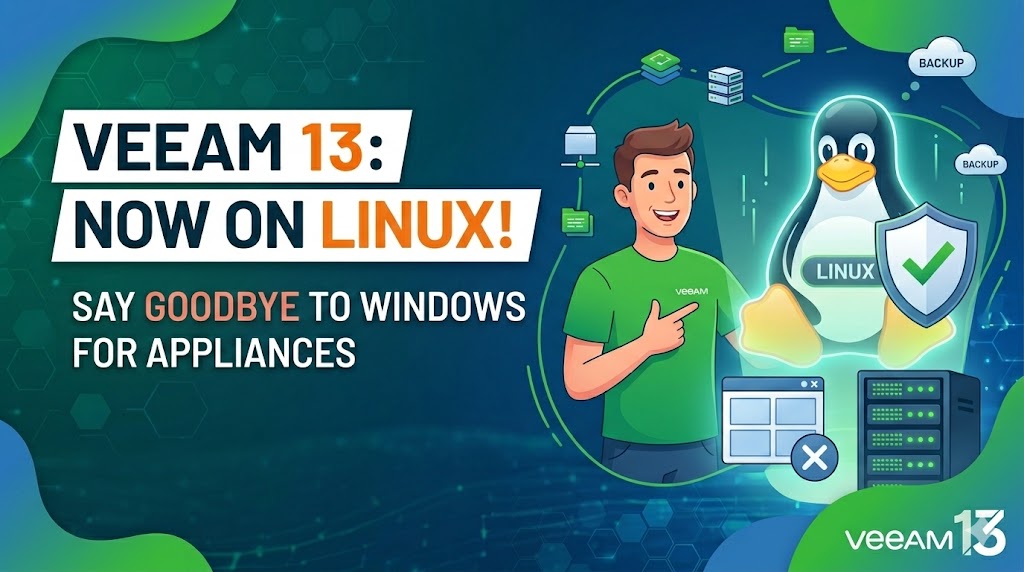
Veeam v13: Migrating to Linux Appliance & Copy Job Evolution With the release of Veeam v13, it is now possible to deploy the backup appliance on a Linux base. This saves on Windows licensing and antivirus overhead. [!IMPORTANT] Pre-upgrade Warning: If you have Backup Copy Jobs running in Legacy mode, you cannot proceed directly with the upgrade. Migrating these jobs is a mandatory “pre-work” step to ensure a smooth transition to version 13. ...
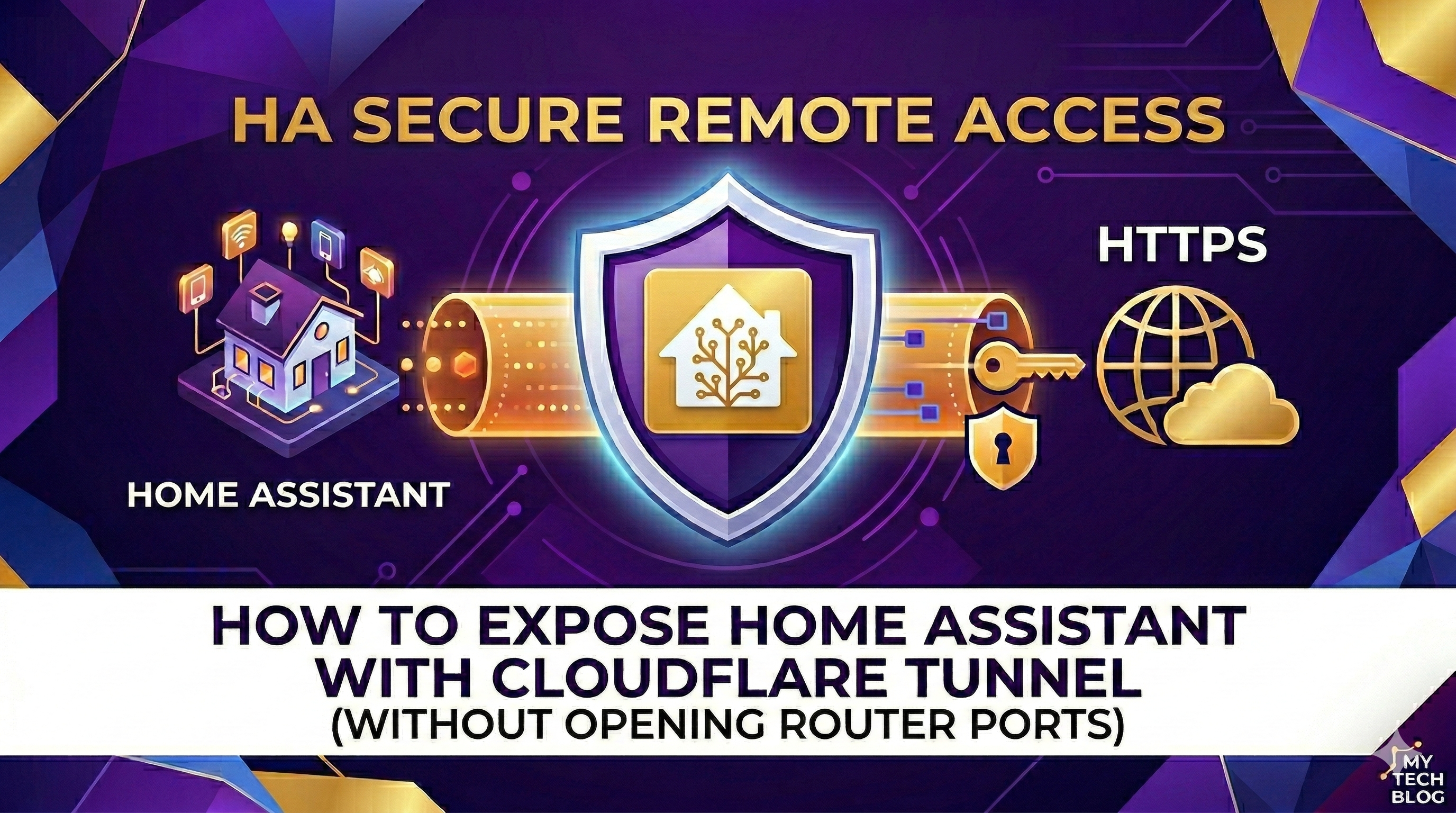
In this article, we will explore how to securely expose Home Assistant to the outside world without opening any ports on your router, by leveraging the power of Cloudflare Tunnel. This solution is perfect if you want to monitor your systems (such as inverters or batteries) from the office in total safety. Prerequisites Before starting, it is essential to have a purchased domain (e.g., yourdomain.com). Based on testing, free domains often do not work correctly with Cloudflare’s Zero Trust services. ...
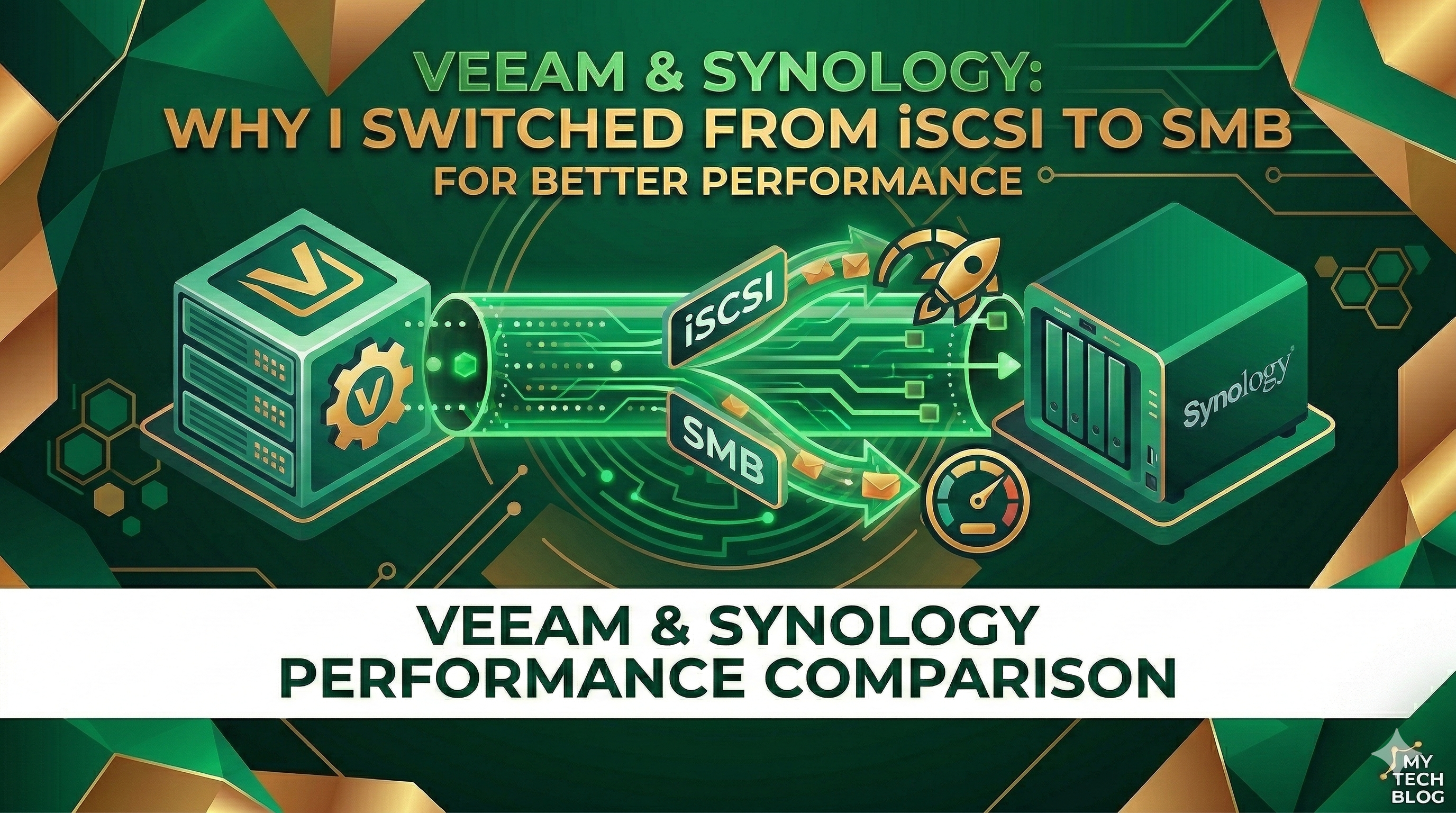
The official recommendation for Veeam is often to map iSCSI disks directly to the Backup & Replication VM, formatted with ReFS (64KB) to fully support FastClone. This allows Windows to manage the volume directly. However, in real-world scenarios with Synology NAS and SATA disks, the results can be disappointing. The iSCSI Bottleneck Despite having a 10Gb infrastructure and following standard optimizations—such as using a single LAN (no teaming) and switching from VMXNET3—my performance was consistently capped at a poor 90 MB/s. ...
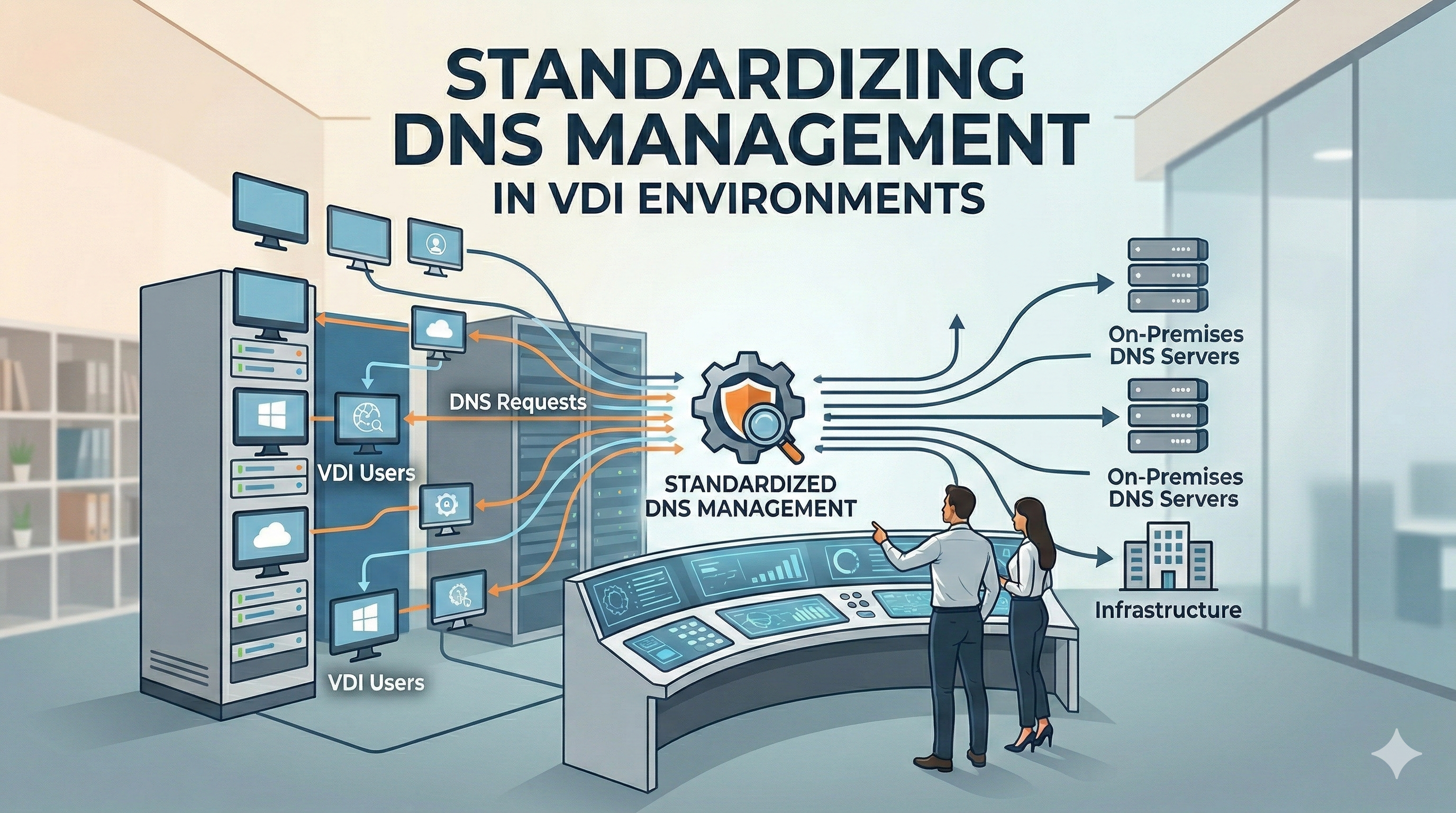
Maintaining a clean DNS in a non-persistent VDI environment (like VMware Horizon) can be challenging. When VMs are frequently destroyed and recreated, “ghost” records and permission conflicts often lead to connectivity issues. Here is how we restructured our infrastructure to ensure a stable and self-cleaning DNS. 1. The Service Account Approach (Single Point of Truth) By default, Windows clients attempt to register their own DNS records. In a VDI pool, this leads to ownership conflicts when a new VM tries to claim a record previously owned by a deleted machine. ...
My blog is live!